End of Tenancy Cleaning: A Practical, SEO-Friendly Approach to a Stress-Free Move-Out
What End of Tenancy Cleaning Really Means
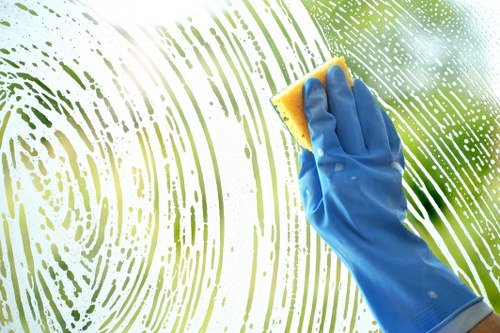
End of tenancy cleaning is the detailed cleaning process carried out when a tenant is preparing to leave a rented property. It is designed to restore the home to a clean, presentable condition for the next occupant and to help meet landlord or letting agent expectations.
This type of cleaning is often more thorough than regular weekly cleaning because it targets areas that are easy to overlook during everyday upkeep. From skirting boards and light fixtures to appliances and bathroom grout, end of tenancy cleaning focuses on the details that make a property feel fresh and move-in ready.
For many renters, the main goal is simple: leave the property in a condition that supports a smooth handover and protects the deposit. That is why end of tenancy cleaning has become an essential part of the moving process, especially in competitive rental markets.
Why End of Tenancy Cleaning Matters
Protecting your deposit

One of the biggest reasons tenants invest time in end of tenancy cleaning is to improve the chances of getting their full deposit back. Many tenancy agreements require the property to be returned in a similar state of cleanliness to when the tenant moved in, allowing for fair wear and tear only.
If a landlord or inventory clerk notices dirty ovens, stained carpets, dusty shelves, or neglected bathrooms, deductions may be made from the deposit. A properly planned end of tenancy cleaning session can significantly reduce this risk.
It is also worth remembering that cleaning standards can vary between properties, but a polished, well-maintained home generally creates a better final inspection outcome. That peace of mind alone makes end of tenancy cleaning worth the effort.
Creating a positive final impression
Even when a tenancy is ending, leaving the property in excellent condition sends a strong message of responsibility and respect. Landlords and letting agents often appreciate tenants who take the time to leave the space clean and organised.
End of tenancy cleaning is not just about avoiding deductions; it is also about closing the tenancy on good terms. A well-cleaned home can make the inspection process easier and help prevent disputes.
For tenants who may need a reference in the future, this final impression can be useful. A clean property reflects careful tenancy management and shows that the tenant took their responsibilities seriously.
Rooms and Areas That Need the Most Attention
Kitchen deep cleaning priorities
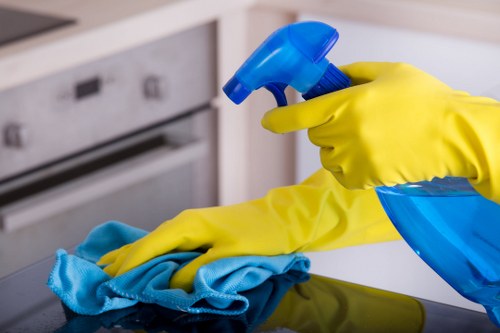
The kitchen is usually the most demanding part of end of tenancy cleaning. Grease, food residue, limescale, and hidden debris often collect in this space, especially around appliances and cupboards. A basic wipe-down is rarely enough.
Key kitchen areas to focus on include the oven, hob, extractor fan, sink, taps, fridge, freezer, cupboards, worktops, backsplash, and floors. If appliances are included in the rental, they should be cleaned inside and out.
Pay special attention to details such as greasy handles, dirty seals, and crumbs in drawers. These small touches can make a large difference in the final presentation of the property.
Bathroom cleaning essentials
The bathroom is another area where end of tenancy cleaning makes a big impact. Soap scum, mildew, watermarks, and limescale can quickly make the room look neglected. Thorough cleaning should include toilets, sinks, baths, showers, tiles, mirrors, and fixtures.
To create a clean, hygienic finish, remove buildup from taps and shower screens, scrub grout where necessary, and ensure drains are free of visible debris. A sparkling bathroom can dramatically improve the overall impression of the home.
If the property has multiple bathrooms or en-suites, it is important not to treat them as secondary spaces. Every bathroom should be cleaned to the same standard during end of tenancy cleaning.
Living rooms, bedrooms, and hallways
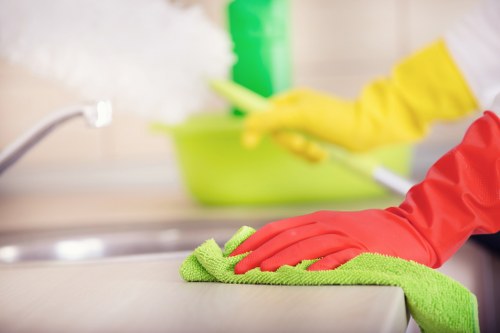
Living areas and bedrooms often appear cleaner than kitchens or bathrooms, but they still require careful attention. Dust on skirting boards, marks on walls, dirty windows, and neglected corners can quickly stand out during an inspection.
In end of tenancy cleaning, these spaces should be vacuumed, dusted, and wiped down thoroughly. Wardrobes, shelves, radiators, and window sills should be checked carefully, and any cobwebs removed.
Hallways and staircases are especially important because they are high-traffic areas. They can collect scuffs, dust, and mud, making them appear worn if not cleaned properly before move-out.
What a Thorough End of Tenancy Cleaning Usually Includes
A room-by-room checklist
A clear checklist helps keep the process manageable. A well-organized end of tenancy cleaning routine often includes the following tasks:
- Dusting all surfaces, fixtures, and fittings
- Vacuuming carpets and rugs
- Mopping hard floors
- Cleaning inside cupboards and drawers
- Removing marks from walls and doors
- Polishing glass, mirrors, and chrome surfaces
- Cleaning skirting boards and window sills
- Wiping switches, sockets, and handles
- Cleaning kitchen appliances inside and out
- Sanitising bathrooms and toilets
These tasks create a consistent standard across the entire property. When performed carefully, end of tenancy cleaning helps the home look fresh, tidy, and ready for inspection.
Deep cleaning hidden areas

Hidden areas are often where the difference between ordinary cleaning and end of tenancy cleaning becomes obvious. Spaces behind radiators, under furniture, along door frames, and inside cupboards can hold dust and dirt for months.
Landlords and agents often inspect these less obvious areas because they reveal how thoroughly the property was maintained. Ignoring them can give the impression that the home was only partially cleaned.
That is why a successful move-out clean should include all the spots that are easy to miss during normal cleaning routines. The more detailed the work, the more professional the result.
How to Prepare for End of Tenancy Cleaning
Declutter before you start
Before any end of tenancy cleaning begins, remove all personal items from the property. Cleaning is far easier when surfaces, cupboards, and floors are clear. Packing first also helps you spot areas that need extra attention.
Decluttering should include kitchen items, bathroom products, clothing, rubbish, and anything stored in cupboards, lofts, or utility spaces. Once the property is empty, the cleaning process becomes quicker and more effective.
This stage also helps avoid cleaning around obstacles, which can leave dust and dirt behind. A clear space always leads to a better finish.
Gather the right supplies
Having the correct tools makes end of tenancy cleaning more efficient. Basic supplies often include microfiber cloths, a vacuum cleaner, mops, sponges, non-abrasive scrubbing pads, glass cleaner, disinfectant, limescale remover, and a good multipurpose cleaner.
For tougher jobs, you may also need oven cleaner, degreaser, carpet stain remover, and bathroom descaler. Choosing the right product for each surface helps avoid damage and improves the final result.
It is also useful to have gloves, bin bags, and a bucket on hand. Small preparations can save time and reduce stress on moving day.
Common Mistakes People Make During End of Tenancy Cleaning
Rushing the process
One of the most common mistakes is leaving end of tenancy cleaning until the last minute. When time is short, tenants may skip important areas or do a shallow clean that looks acceptable at first glance but fails during inspection.
Rushing often means overlooking cupboard interiors, skirting boards, light fittings, and bathroom fixtures. These missed spots can lead to unnecessary deductions or complaints.
A better approach is to break the work into sections and allow enough time for each room. Even if the property is small, end of tenancy cleaning deserves careful planning.
Forgetting appliances and fixtures
Another frequent error is cleaning only visible surfaces. In end of tenancy cleaning, landlords usually expect appliances such as ovens, fridges, microwaves, and washing machines to be cleaned thoroughly if they are part of the tenancy.
It is also easy to forget fixtures like extractor fans, towel rails, blinds, and curtain rails. These items collect dust and grease over time and can affect the overall result if ignored.
To avoid problems, always check the inventory and tenancy agreement to understand exactly what should be cleaned before handover.
Should You Hire Professionals?
Benefits of professional end of tenancy cleaning
Many tenants choose professional end of tenancy cleaning services because they want a thorough, efficient result without the stress of doing it themselves. Professionals usually follow a detailed checklist and bring their own equipment and specialist products.
This can be particularly helpful for large homes, short deadlines, or properties with heavy buildup of dirt and grime. A professional team often knows what landlords and agents look for during inspections, which can improve the final presentation.
For busy tenants, hiring experts can also save time and energy during an already demanding move. The convenience alone makes it an attractive option.
When DIY cleaning may be enough
Not every situation requires a professional service. If the property is small, lightly used, and already well maintained, a careful DIY end of tenancy cleaning session may be sufficient.
Tenants with enough time, cleaning experience, and the right tools can often achieve a strong result on their own. The key is to be methodical and realistic about the condition of the property.
If the home has stubborn stains, extensive limescale, or heavy grease buildup, however, professional support may be the better choice.
End of Tenancy Cleaning and Different Property Types
Flats, houses, and shared accommodation
Although the core principle of end of tenancy cleaning remains the same, the property type can affect the workload. Flats may have smaller spaces but often include compact kitchens and bathrooms that need detailed attention.
Houses usually require more time because they have multiple rooms, hallways, stairs, and sometimes garages or utility rooms. Shared accommodation can be especially demanding because communal areas often collect more dirt and need coordinated cleaning.
Regardless of the property type, the aim is always the same: leave the home in a clean, presentable state that aligns with tenancy expectations.
Furnished versus unfurnished properties
Furnished rentals usually require more extensive end of tenancy cleaning because furniture, mattresses, and soft furnishings can trap dust and stains. Every item listed in the inventory should be checked and cleaned as needed.
In unfurnished properties, the focus is generally on floors, fixtures, cupboards, and appliances. While the task may seem simpler, the cleaning standard still needs to be high.
Always refer to the property inventory. It is the best way to understand what needs to be cleaned before the final inspection.
How to Make the Process More Efficient
Work from top to bottom
A practical way to approach end of tenancy cleaning is to clean from the top of each room downward. Start with dusting shelves, light fittings, and high surfaces before moving to lower furniture, floors, and skirting boards.
This method prevents dirt from falling onto already cleaned areas and helps reduce repeated work. It also creates a smoother, more organised workflow.
Using the same method in every room keeps the cleaning process consistent and easier to manage.
Focus on one room at a time
Trying to clean the entire property at once can feel overwhelming. A better strategy is to complete one room before moving to the next. This is especially effective for end of tenancy cleaning because it allows you to see progress clearly.
Completing each room fully also reduces the chance of missing details. Once a room is finished, you can move on with confidence knowing the area meets your standard.
For larger homes, setting a timer or assigning time blocks to each room can help keep the job on schedule.
Final Inspection Tips
Check the property as if you were the landlord
Before handing back the keys, walk through the property and inspect it carefully. Try to view the space through the eyes of a landlord or letting agent. This perspective often highlights issues that are easy to ignore when you have been living there.
Look for dust in corners, marks on walls, smudges on glass, and any lingering smells. During end of tenancy cleaning, these small details matter more than many tenants expect.
A final walkthrough gives you one last chance to correct anything that may affect the inspection outcome. It is a simple step that can make a big difference.
Use a final touch-up routine
Once the main cleaning is complete, do a final touch-up round. Wipe switches, polish mirrors, vacuum visible dust, and check kitchen and bathroom surfaces again. This last pass can lift the overall appearance of the property.
In end of tenancy cleaning, touch-ups are especially useful for removing fingerprints, smears, and small bits of dust that reappear after the main clean.
A polished finish can make the property feel truly ready for handover.
Why End of Tenancy Cleaning Is Worth the Effort
End of tenancy cleaning may require time, organisation, and physical effort, but the benefits are substantial. It supports deposit protection, reduces stress, improves final impressions, and helps ensure the property is left in the best possible condition.
Whether you choose a DIY approach or hire professionals, the key is to be thorough, methodical, and focused on the details. A clean property reflects well on the tenant and creates a smoother transition for everyone involved.
If you are preparing to move out soon, now is the perfect time to plan your cleaning schedule, gather supplies, and create a room-by-room checklist. Contact us today to learn how a professional move-out clean can help simplify the process, or book your service now to save time and reduce moving-day pressure.