Commercial Cleaning in Modern Workspaces: What Businesses Need to Know
Why Commercial Cleaning Matters for Every Business
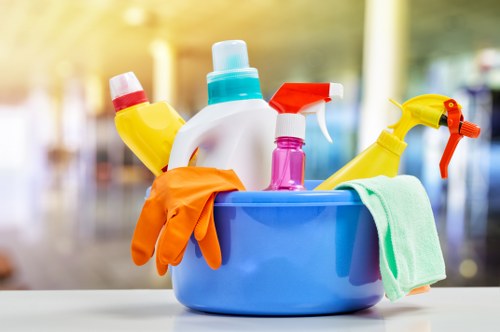
Commercial cleaning is more than a routine task; it is a core part of keeping any business environment safe, professional, and productive. Whether you manage an office, retail space, warehouse, clinic, or hospitality venue, clean surroundings influence how people feel, how employees perform, and how customers judge your brand.
In today’s competitive market, businesses cannot afford to overlook cleanliness. A polished workspace supports health, morale, and trust, while poor cleaning standards can quickly lead to complaints, absenteeism, and a damaged reputation. That is why many organizations now view commercial cleaning as an investment rather than an expense.
From daily dusting to deep sanitation, commercial cleaning services help businesses maintain spaces that are hygienic, attractive, and operationally efficient. The right cleaning plan can also reduce long-term maintenance costs by protecting flooring, furniture, fixtures, and equipment from premature wear.
What Commercial Cleaning Includes

Commercial cleaning services cover a wide range of tasks tailored to the needs of different industries and building types. Unlike residential cleaning, commercial cleaning is built around higher traffic levels, specialized surfaces, and stricter hygiene expectations.
Typical services may include:
- Vacuuming, mopping, and floor care
- Dusting desks, shelves, and shared surfaces
- Restroom sanitization and restocking
- Trash removal and recycling support
- Kitchen and breakroom cleaning
- Window and glass cleaning
- High-touch surface disinfection
- Deep cleaning of carpets, upholstery, and hard floors
Many providers also offer specialized solutions such as post-construction cleanup, pressure washing, janitorial support, and floor stripping and waxing. The best commercial cleaning plans are flexible and can be adjusted to suit your business hours, industry regulations, and operational priorities.
How Commercial Cleaning Supports Health and Safety
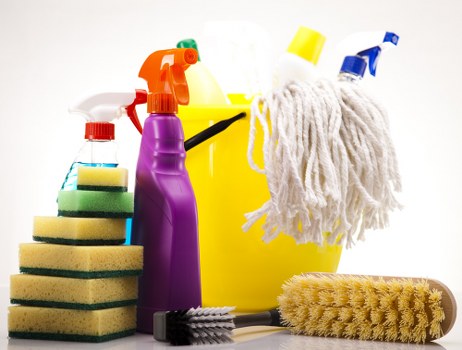
One of the most important reasons to invest in commercial cleaning is health protection. Workplaces can quickly become breeding grounds for germs, allergens, dust, and contaminants if they are not cleaned properly and regularly. This is especially true in shared offices, healthcare facilities, schools, and customer-facing environments.
Professional cleaning teams understand how to reduce risks through proper sanitation practices, targeted disinfection, and the use of suitable products for each surface. This helps lower the spread of bacteria and viruses, improve indoor air quality, and create a safer environment for staff and visitors.
Health and safety benefits also extend beyond infection control. Good commercial cleaning reduces slip hazards, removes clutter, clears blocked walkways, and helps businesses comply with workplace safety expectations. In many settings, cleanliness is directly tied to operational compliance and risk management.
Key safety advantages
- Reduced cross-contamination on shared surfaces
- Lower risk of slips, trips, and falls
- Cleaner air with less dust and debris
- Better restroom and kitchen hygiene
- Improved compliance with sanitation standards
Types of Commercial Cleaning Services
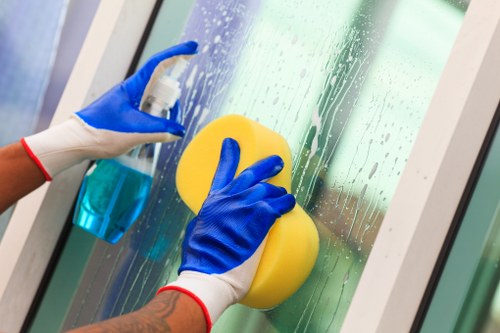
Not every business needs the same level of cleaning. That is why commercial cleaning services are usually offered in different formats, allowing companies to choose the right option for their space, budget, and schedule.
Daily cleaning
Daily cleaning is ideal for offices, retail stores, healthcare environments, and busy facilities that generate frequent dirt and waste. These services typically include surface wiping, vacuuming, restroom care, and trash disposal.
Weekly cleaning
Weekly cleaning suits smaller offices or businesses that do not require constant maintenance. It can also complement in-house upkeep by providing a deeper reset once or twice per week.
Deep cleaning
Deep commercial cleaning focuses on areas that are often missed in routine maintenance. This may include behind furniture, inside appliances, air vents, baseboards, and hard-to-reach areas where dirt accumulates over time.
Specialized cleaning
Industries with unique requirements may need specialized commercial cleaning, such as:
- Medical-grade sanitation
- Food-safe cleaning
- Industrial and warehouse cleaning
- Carpet and upholstery extraction
- Floor maintenance and restoration
Choosing the right service type ensures that your business gets the level of care it actually needs, without overspending on unnecessary extras.
Why Businesses Choose Professional Commercial Cleaning
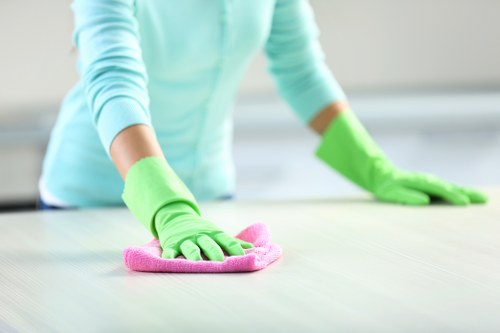
Many businesses start by handling cleaning internally, but as operations grow, professional support becomes essential. Commercial cleaning companies bring experience, equipment, and consistency that are difficult to match with ad hoc in-house efforts.
One major advantage is reliability. Professional cleaners follow schedules, checklists, and quality standards, which means tasks are completed consistently and thoroughly. This predictability helps businesses maintain a strong image and avoid last-minute cleaning problems before meetings, inspections, or customer visits.
Another major benefit is access to the right tools and products. Commercial cleaning teams often use industrial vacuums, microfiber systems, HEPA filtration, floor machines, and disinfectants designed for specific applications. These resources improve results and can help reduce damage caused by using the wrong methods or materials.
Commercial Cleaning and First Impressions
Customers notice cleanliness immediately. A spotless lobby, polished floor, fresh-smelling restroom, and dust-free reception area all create a positive first impression that can shape how people view your brand. In many industries, commercial cleaning is part of the customer experience.
A clean environment communicates professionalism, attention to detail, and care. By contrast, dirty surfaces, overflowing bins, and stained carpets may make even a successful business appear careless or unorganized. That perception can affect purchasing decisions, renewals, and referrals.
For businesses that welcome clients, patients, or shoppers, commercial cleaning plays a direct role in trust-building. People are far more likely to return to a place that feels clean, safe, and well maintained. In this sense, cleanliness supports marketing as much as operations.
How Commercial Cleaning Improves Employee Productivity
A clean workplace does more than look good. It can also influence how employees focus, collaborate, and feel during the day. Studies and real-world experience both show that cleaner environments tend to support better productivity and lower stress.
When desks, breakrooms, and common areas are maintained properly, employees spend less time dealing with mess, clutter, or discomfort. Instead, they can focus on their responsibilities in a space that feels organized and professional. This is one reason many organizations prioritize commercial cleaning as part of workplace wellness strategies.
Cleanliness may also reduce sick days by lowering exposure to dust, mold, germs, and allergens. Fewer health-related absences can improve workflow, reduce disruption, and help teams stay more consistent throughout the year.
Ways a clean workspace supports performance
- Improves concentration and morale
- Reduces distractions caused by clutter
- Supports better indoor air quality
- Helps employees feel valued and respected
- Contributes to a more positive workplace culture
Choosing the Right Commercial Cleaning Partner
Selecting a commercial cleaning provider requires more than comparing prices. Businesses should look for a partner that understands their industry, communication expectations, and cleaning standards. A low-cost service may seem appealing, but quality, consistency, and accountability matter far more in the long run.
Before hiring, consider whether the provider offers clear service plans, trained staff, insurance coverage, and flexible scheduling. It is also wise to ask about their experience with your type of facility. A company that handles office cleaning may not be ideal for a warehouse or medical practice unless it has the proper expertise.
Commercial cleaning partners should also be transparent about what is included in each service. This helps avoid confusion and ensures that the scope of work aligns with your expectations.
Important questions to ask
- What industries do you specialize in?
- How do you train your cleaning staff?
- What products and equipment do you use?
- Can you customize a cleaning schedule?
- How do you handle quality checks?
Commercial Cleaning for Different Industries
Every industry has unique needs, and professional cleaning should reflect that. A retail store, for example, needs visible cleanliness in customer areas, while a warehouse may require dust control, safety-focused floor care, and waste removal.
Office buildings
Office commercial cleaning often focuses on shared workstations, restrooms, meeting rooms, kitchens, and high-touch points. These spaces need routine attention to maintain professionalism and support employee wellbeing.
Healthcare environments
Clinics, dental offices, and medical centers require strict sanitation protocols. In these settings, commercial cleaning is closely tied to infection prevention and regulatory compliance.
Retail and hospitality
Retail stores, restaurants, hotels, and event spaces rely on cleanliness to attract customers and encourage repeat business. Presentation is everything in these sectors.
Industrial and warehouse facilities
These environments may need debris removal, equipment-area cleaning, spill control, and safety-oriented maintenance. Commercial cleaning in industrial spaces helps reduce hazards and keep operations running smoothly.
Eco-Friendly Commercial Cleaning Options
Sustainability has become a major priority for many businesses, and cleaning practices are no exception. Eco-friendly commercial cleaning options help reduce environmental impact while still delivering high standards of hygiene and appearance.
Green cleaning typically involves biodegradable products, reduced chemical use, microfiber systems, efficient water use, and better waste handling practices. For businesses concerned about employee wellness or environmental responsibility, this can be an excellent fit.
Using environmentally conscious cleaning methods may also help improve indoor comfort by reducing harsh odors and limiting exposure to aggressive chemicals. This can be especially beneficial in offices, schools, and customer-facing locations where air quality matters.
Examples of greener cleaning choices
- Low-VOC cleaning products
- Refillable dispensers and reduced packaging
- HEPA vacuum systems
- Microfiber mops and cloths
- Water-conscious floor cleaning methods
How to Build an Effective Cleaning Schedule
An effective commercial cleaning schedule should match the rhythm of your business. High-traffic spaces need more frequent attention, while less-used rooms may only need periodic cleaning. The goal is to keep the property consistently presentable without wasting time or budget.
Start by identifying the areas that see the most use. Entrances, restrooms, kitchens, lobbies, and shared desks usually require the most frequent service. Then add tasks for monthly or quarterly deep cleaning, such as carpet extraction, window washing, and floor restoration.
Good scheduling also considers business hours. Many companies prefer evening or overnight commercial cleaning so that staff and customers are not disrupted. Others may prefer daytime support in public areas and after-hours work in private zones.
Schedule planning tips
- Prioritize high-traffic areas first
- Separate daily tasks from deep-cleaning tasks
- Coordinate with operating hours
- Include seasonal cleaning needs
- Review and adjust based on usage patterns
What Affects the Cost of Commercial Cleaning
The cost of commercial cleaning varies depending on several factors. Rather than focusing only on the cheapest option, businesses should understand what drives pricing so they can compare services fairly.
Common pricing factors include the size of the building, the frequency of cleaning, the type of surfaces involved, the level of specialization required, and whether the service includes supplies or equipment. A medical facility, for example, may cost more to maintain than a small office because it requires stricter sanitation protocols.
Other variables may include after-hours service, emergency cleaning requests, and one-time deep cleans. When providers explain their pricing clearly, it becomes easier to choose a plan that balances quality and budget.
Signs Your Business Needs Better Cleaning Support
Some businesses wait too long before upgrading their cleaning arrangements. If the environment starts to look neglected, smell unpleasant, or trigger complaints, it may be time to rethink your current approach to commercial cleaning.
Warning signs can include frequent dust buildup, visible trash, dirty restrooms, stained carpets, sticky surfaces, or staff spending extra time cleaning instead of working. These issues often suggest that current cleaning routines are not keeping pace with the demands of the space.
Another sign is inconsistent results. If some areas are spotless while others are routinely missed, your cleaning plan may need better oversight, stronger standards, or a more professional provider. A reliable commercial cleaning solution should make the entire property feel cared for, not just selected sections.
Common red flags
- Repeated customer complaints
- Lingering odors
- Dust on vents and surfaces
- Restrooms that run out of supplies
- Visible buildup in corners or entryways
Making Commercial Cleaning Part of Your Business Strategy
Cleanliness should never be treated as an afterthought. When businesses build commercial cleaning into their broader strategy, they strengthen brand perception, protect assets, and support the people who use the space every day.
Think of cleaning as a function that connects operations, health, and customer experience. A well-maintained building can help reduce maintenance issues, extend the life of furniture and flooring, and create a smoother experience for employees and visitors alike.
Whether you operate a startup office or a large multi-site operation, investing in professional commercial cleaning can help your business present its best self consistently. It is one of the simplest ways to improve everyday operations while reinforcing trust.
Final Thoughts on Commercial Cleaning
Commercial cleaning is essential for businesses that want to maintain a safe, polished, and productive environment. It supports health, boosts morale, protects property, and improves how customers perceive your brand. From routine maintenance to specialized sanitation, the right service can make a measurable difference in daily operations.
If your current cleaning routine is not delivering the results your business needs, now is the time to explore a smarter approach. Book your service now and create a cleaner, more professional environment that supports long-term success. Contact us today to take the next step toward a better-maintained workplace.
With the right plan, expert support, and consistent standards, commercial cleaning becomes more than upkeep—it becomes a competitive advantage.