Deep Cleaning in Modern Homes and Workspaces: A Practical Approach to a Fresher, Healthier Environment
Deep cleaning is more than a routine tidy-up. It is a thorough, detail-focused process that reaches the places everyday cleaning often misses. Whether you are maintaining a family home, preparing a rental property, or improving hygiene in an office, deep cleaning helps create a cleaner, safer, and more comfortable space. It removes built-up dust, grease, grime, allergens, and hidden debris that can affect both appearance and indoor air quality.
Many people think of deep cleaning as something needed only in spring or before a major event, but the truth is that deep cleaning supports year-round wellness and property care. It can help extend the life of furniture, floors, appliances, and fixtures while also making daily upkeep easier. For homes and businesses alike, a structured deep cleaning service can be a smart investment in comfort and cleanliness.
In this article, we will explore what deep cleaning involves, why it matters, which areas need extra attention, and how to maintain results after the work is done. You will also learn practical cleaning strategies, useful checklists, and when it makes sense to book your service now for professional assistance.
What Is Deep Cleaning?
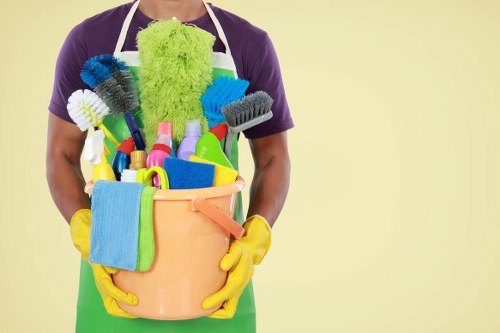
Deep cleaning is a detailed cleaning process that goes beyond regular dusting, sweeping, vacuuming, and wiping. While standard cleaning focuses on surface-level maintenance, deep cleaning targets buildup in hidden or hard-to-reach areas. This includes corners, baseboards, behind appliances, under furniture, grout lines, vents, fixtures, and interior surfaces that are often overlooked.
Unlike routine cleaning, which may be done weekly or even daily, deep cleaning is usually performed on a less frequent schedule. It is especially useful during seasonal changes, after renovations, before moving in or out, or whenever a property needs a noticeable reset. A successful deep cleaning process improves both the look and feel of a space while reducing dust and germs.
How Deep Cleaning Differs from Regular Cleaning
Regular cleaning helps maintain cleanliness from day to day, but deep cleaning takes a more intensive approach. It often includes scrubbing, sanitizing, degreasing, decluttering, and detailed attention to overlooked spots. For example, a quick kitchen wipe-down may clean counters, but deep cleaning a kitchen also means cleaning inside cabinets, behind appliances, and around stove burners.
Why Deep Cleaning Matters
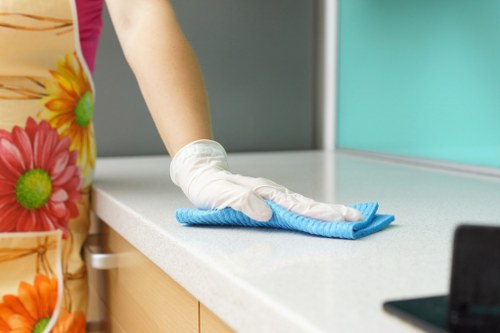
There are many reasons people invest in deep cleaning. One of the biggest is hygiene. Over time, dust, bacteria, pet dander, and other contaminants settle in hidden areas and can contribute to allergies or unpleasant odors. A regular deep cleaning service helps reduce these concerns and creates a more refreshing atmosphere.
Deep cleaning also supports property maintenance. Grease on kitchen surfaces, soap scum in bathrooms, and dirt on floors can damage materials if ignored for too long. By removing buildup early, deep cleaning can help protect finishes, reduce wear, and preserve the value of your home or workspace.
For businesses, cleanliness affects professionalism. A tidy office or commercial space improves first impressions and supports employee comfort. For families, deep cleaning can make living areas feel calmer, more organized, and more enjoyable. It is not just about appearance; it is about creating a healthier environment for everyone who uses the space.
Key Benefits of Deep Cleaning
- Reduces dust, allergens, and trapped debris
- Improves indoor air quality
- Helps eliminate odors
- Restores the look of surfaces and fixtures
- Supports better hygiene in high-use areas
- Can extend the life of flooring, appliances, and upholstery
When You Should Schedule Deep Cleaning
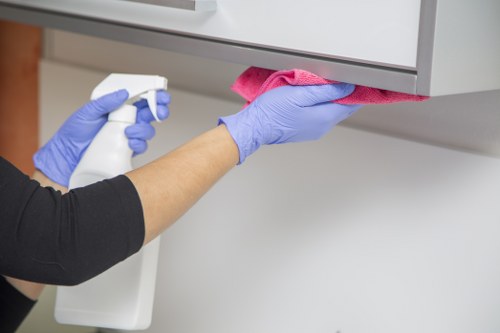
Knowing when to schedule deep cleaning can make a big difference in keeping your environment in top condition. Some situations call for a more intensive clean than others, especially when traffic, mess, or seasonal changes increase the amount of buildup in a space.
Many homeowners choose deep cleaning at the start of spring or before major holidays. Others prefer it after hosting events, moving, or completing a renovation. In workplaces, deep cleaning is often done during quarterly maintenance cycles or after periods of heavy use. The timing depends on your needs, but consistency is important.
If you notice persistent odors, visible grime, dull floors, dusty vents, or sticky surfaces, it may be time to take action. A professional deep cleaning service can restore freshness faster than routine cleaning alone and can help prevent minor messes from becoming larger problems.
Common Signs a Space Needs Deep Cleaning
- Dust returns quickly after cleaning
- Bathrooms or kitchens still smell stale
- Baseboards, vents, and corners look neglected
- Floors appear dull or sticky
- Appliances have visible residue
- Fabric surfaces hold odors or stains
Rooms and Areas That Need the Most Attention
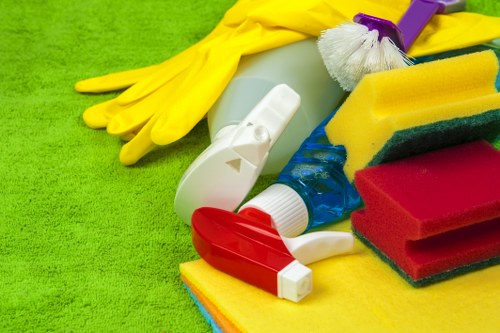
Every property has high-traffic zones that accumulate dirt faster than others. During deep cleaning, these areas should receive special care because they often hide buildup that routine cleaning misses. Kitchens, bathrooms, bedrooms, entryways, and shared living spaces are usually the top priorities.
The kitchen is one of the most important areas for deep cleaning because it combines grease, food particles, and frequent touch points. Bathrooms also need detailed attention because moisture encourages soap scum, mildew, and grime. Living rooms and bedrooms may seem cleaner at a glance, but dust often collects under furniture, along trim, and inside soft furnishings.
In office settings, desks, break rooms, meeting rooms, and common touch points such as door handles and switches should be cleaned carefully. Deep cleaning in these spaces helps maintain a more professional appearance while supporting hygiene standards. The process can be adapted to nearly any environment.
Priority Areas for Deep Cleaning
- Kitchen cabinets, countertops, sinks, and appliances
- Bathroom tile, grout, toilets, tubs, and fixtures
- Baseboards, crown molding, and door frames
- Air vents, ceiling fans, and light fixtures
- Upholstery, carpets, and rugs
- Under furniture, behind appliances, and inside storage areas
What a Deep Cleaning Process Usually Includes
A detailed deep cleaning plan often covers every room in the property, but the exact tasks can vary depending on the space and the level of buildup. In general, the process includes both visible and hidden surfaces, with a focus on thoroughness rather than speed.
In kitchens, this may include degreasing stovetops, wiping inside and outside of cabinets, scrubbing sinks, cleaning backsplash areas, and removing crumbs or spills from behind and under appliances. In bathrooms, it may include disinfecting toilet bases, polishing faucets, descaling shower surfaces, and removing mildew from grout lines.
Bedrooms and living spaces often require dusting ceiling fans, washing baseboards, vacuuming upholstery, cleaning under beds, and tackling corners where dust tends to gather. A thoughtful deep cleaning service will also pay attention to switches, handles, and other high-touch points that are often overlooked in everyday maintenance.
Typical Deep Cleaning Tasks by Area
Kitchen: Scrub sinks, clean inside appliances, wipe cabinet fronts, degrease stovetops, and sanitize counters.
Bathroom: Remove soap scum, disinfect toilets, scrub tile and grout, clean mirrors, and polish fixtures.
Bedrooms: Vacuum under beds, dust furniture, clean closet shelves, and refresh soft surfaces.
Living Areas: Dust décor, vacuum upholstery, clean skirting boards, and wash fingerprints from walls or switches.
Tools and Products Commonly Used in Deep Cleaning
Effective deep cleaning requires the right tools. While many households already have basic supplies, more detailed work often calls for specialized items that make the job more efficient and effective. Using the proper equipment can also help protect surfaces from damage.
Common tools include microfiber cloths, scrubbing brushes, vacuum cleaners with attachments, mops, grout brushes, and extension dusters. For sanitizing and stain removal, people often use all-purpose cleaners, degreasers, disinfectants, glass cleaners, and mild abrasive products. For homes with delicate finishes, it is important to choose products carefully and test them first.
Steam cleaning can be useful for certain surfaces, and HEPA-filter vacuums may be especially helpful for homes with allergy concerns. A professional deep cleaning approach often combines manual scrubbing with targeted products to tackle different kinds of buildup efficiently.
Useful Deep Cleaning Supplies
- Microfiber cloths and reusable towels
- Scrub brushes of different sizes
- Vacuum with hose and crevice tools
- Mop and bucket
- Disinfectant and degreaser
- Glass cleaner and stainless-steel cleaner
- Grout brush and detail tools
How to Plan a Deep Cleaning Routine
Planning matters when it comes to deep cleaning. Without a clear structure, the work can feel overwhelming. The easiest approach is to divide the property into sections and tackle one area at a time. This makes the process more manageable and helps ensure no spot is forgotten.
Start by decluttering surfaces so that dust and grime are easier to remove. Then clean from top to bottom, beginning with ceiling fans, shelves, and upper fixtures before moving to tables, counters, and floors. This prevents dust from falling onto already cleaned surfaces. A deliberate deep cleaning schedule can save time and produce better results.
It is also helpful to group tasks by type. For example, dust all rooms first, then move on to scrubbing, sanitizing, and floor cleaning. This method creates flow and reduces unnecessary backtracking. Whether you are cleaning your own home or managing a larger property, organization is key.
Simple Planning Steps
- Identify the rooms or areas that need attention
- Gather supplies before starting
- Declutter countertops, floors, and storage spaces
- Work from top to bottom and from clean to dirty
- Finish with floors and final touch-ups
Deep Cleaning for Different Types of Spaces
Deep cleaning looks slightly different depending on the setting. A family home, apartment, rental property, and office all have unique needs. Understanding those differences helps create a cleaner result and makes it easier to focus effort where it matters most.
In homes, the emphasis is usually on comfort, dust reduction, and hygiene in kitchens and bathrooms. In rental properties, deep cleaning is often needed between tenants to refresh the space and prepare it for new occupants. In offices and commercial spaces, the goal is typically to improve presentation, reduce germs, and support a professional environment.
Specialty spaces may require additional care. For example, a childcare facility needs careful sanitizing, while a pet-friendly home may require extra attention to fur, odors, and tracked-in dirt. A customized deep cleaning service can adapt to these situations and deliver a more suitable result.
Examples of Space-Specific Needs
- Homes: Kitchens, bathrooms, bedrooms, carpets, and upholstery
- Rental units: Appliances, closets, baseboards, and all touch points
- Offices: Desks, shared equipment, restrooms, and meeting areas
- Retail spaces: Floors, displays, mirrors, and customer-facing surfaces
How Deep Cleaning Supports Indoor Air Quality
One of the less visible benefits of deep cleaning is improved indoor air quality. Dust, pet dander, pollen, and other airborne particles often settle on surfaces and get stirred up during normal activity. When those particles are removed through detailed cleaning, the air can feel fresher and easier to breathe.
Vacuuming with the right filter, dusting vents, cleaning ceiling fans, and washing fabric surfaces can all contribute to a healthier indoor environment. This is especially important for people with allergies, asthma, or sensitivities to dust. Regular deep cleaning can make a noticeable difference over time.
Odors are also tied to air quality. Food residue, dampness, dirty fabrics, and neglected waste areas can create stale smells that linger. By addressing the source rather than masking it, deep cleaning creates longer-lasting freshness and a more pleasant atmosphere.
Air Quality Improvement Tips
- Dust and vacuum regularly with proper attachments
- Clean vents and fan blades
- Wash or refresh curtains, rugs, and upholstery
- Remove moisture from bathrooms and kitchens promptly
- Empty trash and sanitize bins often
Common Mistakes to Avoid During Deep Cleaning
Even with good intentions, some mistakes can reduce the effectiveness of deep cleaning. One common issue is skipping preparation. If clutter is not removed first, it becomes much harder to clean thoroughly. Another issue is using the wrong product on delicate materials, which can lead to damage or dull finishes.
People also sometimes rush through the process and only clean visible areas. However, the whole point of deep cleaning is to address hidden buildup. That means checking behind furniture, under appliances, around fixtures, and inside storage areas. Missing these places can leave the job unfinished.
Finally, it is important not to overlook safety. Good ventilation, gloves, and careful product use matter when handling cleaners. If a task seems too large or too labor-intensive, hiring a professional deep cleaning service can save time and produce more consistent results.
Errors That Reduce Cleaning Quality
- Cleaning without a plan
- Using too much product
- Forgetting hidden or high-touch areas
- Skipping drying and finishing steps
- Ignoring maintenance after the deep clean
Maintaining Results After Deep Cleaning
After the hard work of deep cleaning, maintenance becomes much easier. The goal is to preserve that fresh, polished feeling for as long as possible. Small habits can go a long way in reducing future buildup and keeping spaces looking their best.
Daily tidying, weekly surface cleaning, and monthly maintenance tasks help prevent grime from returning. In kitchens, wiping spills immediately and cleaning appliances regularly can reduce sticky residue. In bathrooms, keeping moisture under control helps prevent soap scum and mildew. These habits support the benefits of deep cleaning between major service appointments.
It is also smart to set a recurring schedule. Many homes benefit from a seasonal deep clean, while busy households or offices may need it more often. If you want reliable results without the stress of doing it all yourself, contact us today to learn more about a professional approach that fits your space.
Maintenance Habits That Help
- Put items back in place after use
- Wipe counters and sinks daily
- Vacuum high-traffic areas often
- Clean spills quickly before they set in
- Schedule periodic deep cleaning appointments
Why Professional Deep Cleaning Can Be Worth It
While many people handle routine upkeep on their own, professional deep cleaning offers several advantages. Experienced cleaners know how to work efficiently, use suitable products, and focus on the areas that matter most. They often bring specialized tools that can improve results on carpets, tile, fixtures, and difficult buildup.
Professional support is especially useful for large homes, busy offices, post-renovation spaces, move-in or move-out situations, and properties that have not been cleaned thoroughly in some time. A professional deep cleaning service can save hours of effort and deliver a level of detail that is hard to achieve alone.
For many property owners, the convenience alone is worth it. Instead of spending the weekend scrubbing every corner, you can rely on trained help and enjoy the results faster. If your home or workplace is overdue for a reset, book your service now and enjoy the difference a focused clean can make.
Reasons People Choose Professional Help
- More thorough results in less time
- Better access to specialized tools and techniques
- Reduced stress and physical effort
- Improved hygiene in hard-to-reach areas
- Convenient scheduling for busy households and businesses
Final Thoughts on Deep Cleaning
Deep cleaning is one of the most effective ways to refresh a space, protect surfaces, and support a healthier indoor environment. It goes beyond daily tidying and routine maintenance by focusing on the details that are easy to miss but important to overall cleanliness. From kitchens and bathrooms to offices and shared spaces, the benefits are both visible and practical.
When done well, deep cleaning can improve appearance, reduce allergens, remove odors, and make regular upkeep easier. It also helps property owners maintain value and create a more welcoming atmosphere for family members, employees, or guests. Whether you prefer to handle it yourself or rely on a professional deep cleaning service, consistency makes a real difference.
If your space needs a fresh start, do not wait until buildup becomes overwhelming. Take action now, plan your next cleaning session, and book your service now if you want expert support. A cleaner, healthier space is always worth it.